Meet Bartosz
Speaking to the World Through Posters

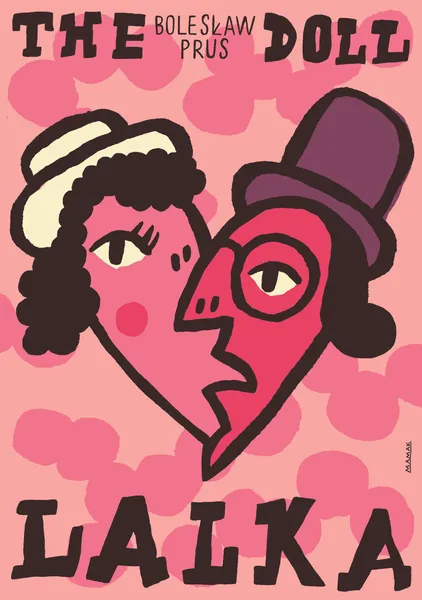
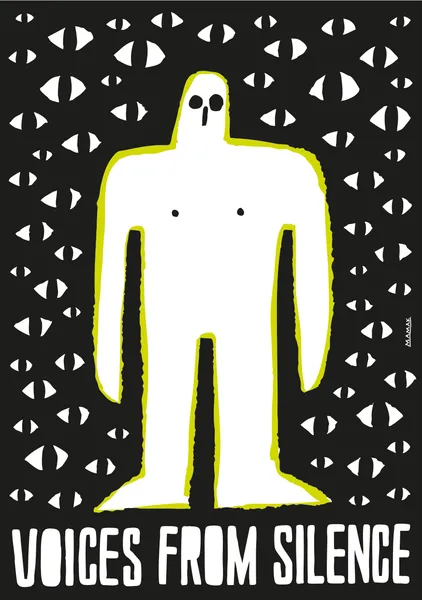
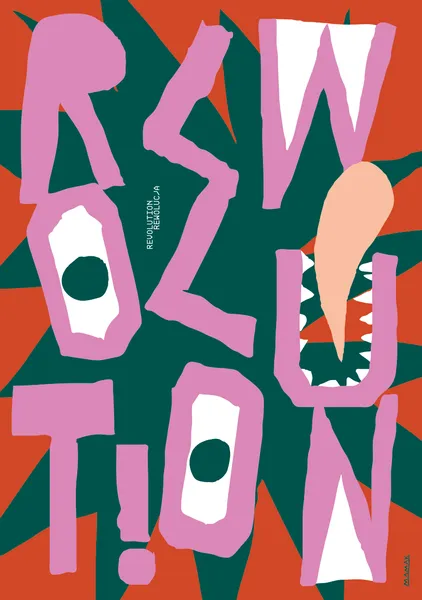
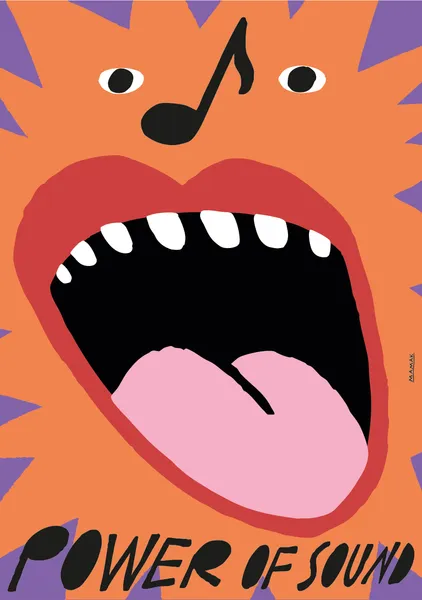
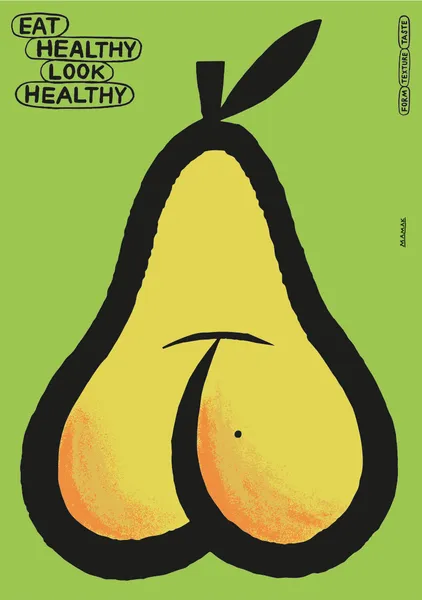
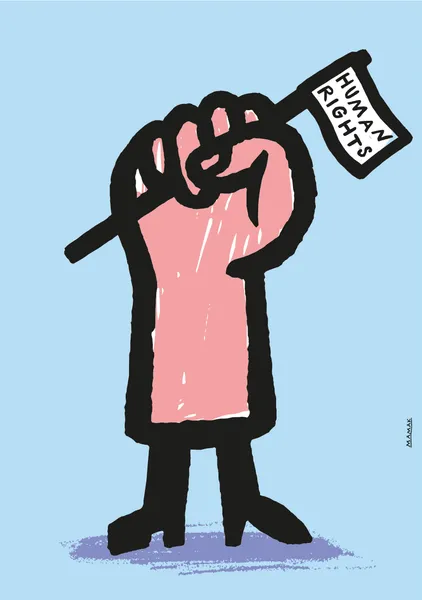
Bartosz Mamak is an artist and poster designer based in Poland. His work combines bold black lines and vivid colour, transforming objects and lettering into faces and figures. He holds a doctorate in art, teaches at university and also designs books, typefaces and visual identities.
Discovering poster art
Bartosz Mamak’s interest in poster art took shape during his university studies, through a lecturer who became his mentor. An artist as well as a teacher, this person helped him truly understand what a poster is and discover its immense power.
He was drawn to the simplicity of communication and the freedom to experiment with form. Posters also offered a way to bring together his skills in drawing, typography and composition. He also loved the idea that posters could become his way of communicating with the world.
Bicycle wheels become eyes, speech bubbles become faces
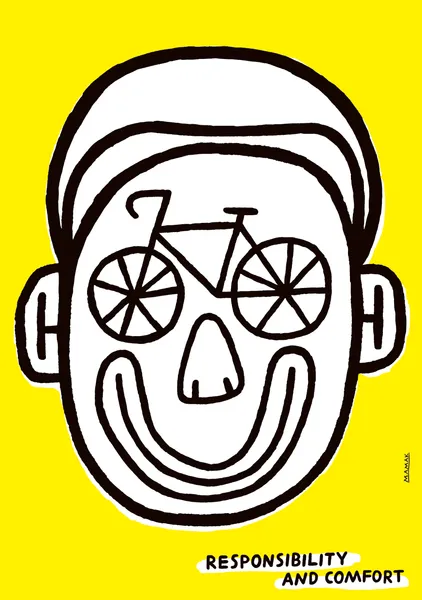
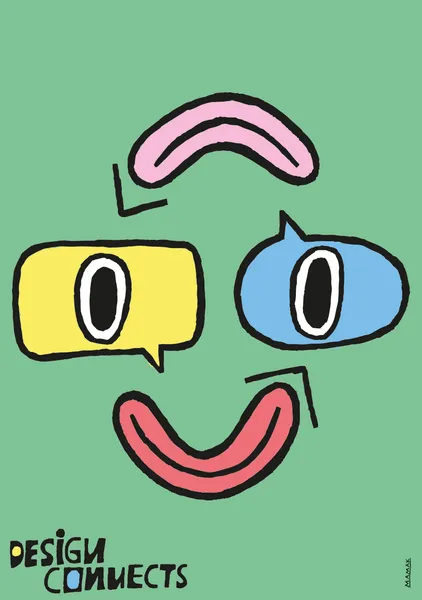
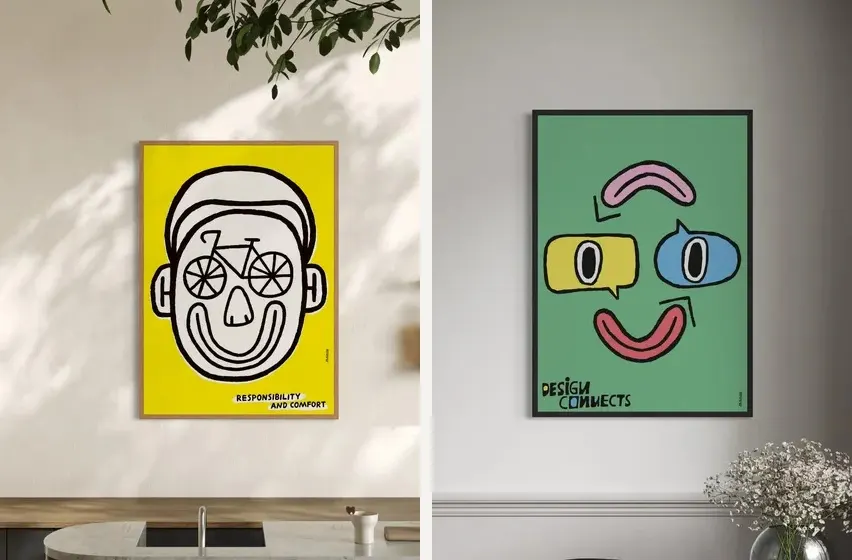
A bicycle’s wheels become eyes; two speech bubbles come together as a face. These images began with associations that Bartosz developed in response to a theme.
For the bicycle poster, he first considered what “responsibility and comfort” meant to him. A bicycle connected the two ideas: taking responsibility for the environment and having a comfortable way to travel. Its wheels became eyes and its frame became eyebrows, forming a smiling face.
In the poster built around two speech bubbles, he used different shapes to represent diversity. Arrows near the corners of the mouths indicate the direction of the conversation, forming a loop that represents the exchange of ideas. He added eyes last, to emphasise that people are at the heart of every interaction.
A sketch the size of a matchbox
Bartosz finds inspiration in his own life, his reflections on different subjects, and what he reads, hears and watches. He spends time thinking about a theme and exploring possible forms. Sometimes he starts drawing before an idea is fully developed. Connections emerge as he sketches.
Every poster begins with a drawing on paper, roughly the size of a matchbox. In the past, he made numerous sketches to work through his ideas and find the best solution. Now he often develops a poster from just one or two. Greater confidence in his ideas has made it easier to recognise when he is heading in the right direction.
Different tools, the same attention to line
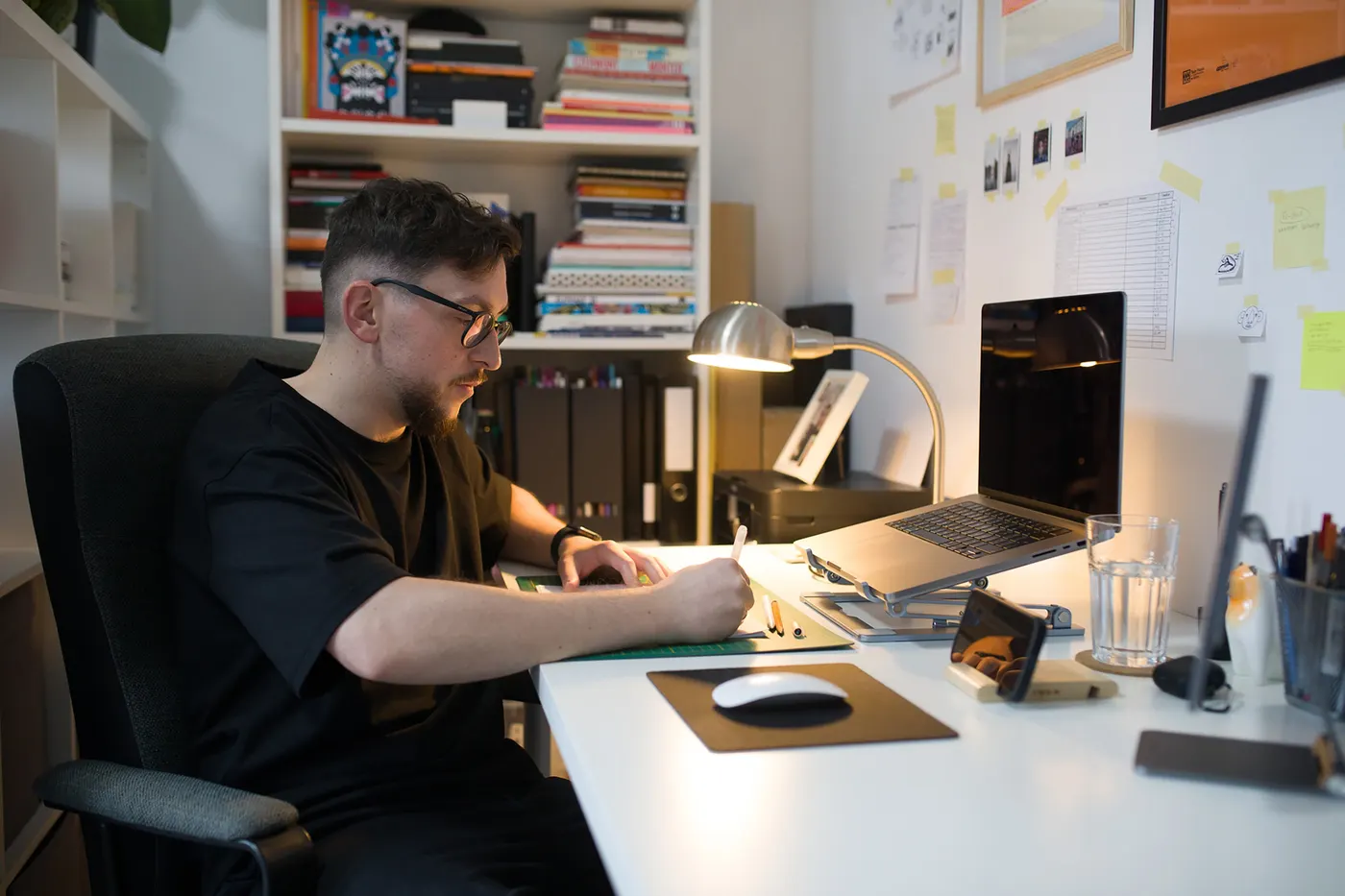
For many years, Bartosz made the artwork for his posters by hand, using a brush with ink or paint. He then scanned the drawings and refined them on a computer. A few years ago, he switched to a graphics tablet to make the process faster.
What he values most remains the irregularity of his line. Over time, that slightly uneven quality has become a signature of his work. Preserving it is central to his practice, even as his tools have changed.
Bringing poster designers together
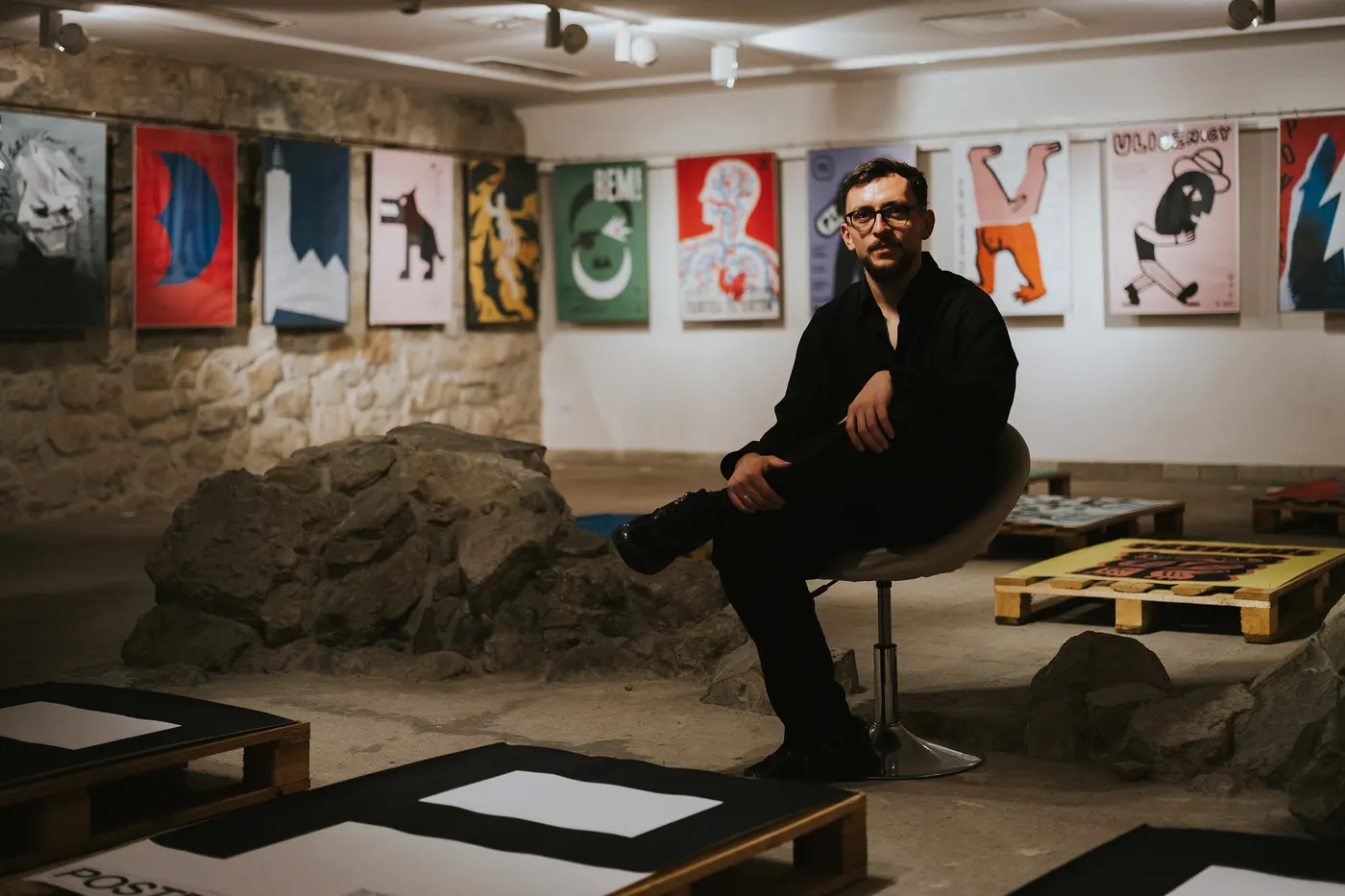
Alongside making posters, Bartosz has worked to connect the people who create them. In 2018, he was organising exhibitions and workshops with another artist and publishing a booklet featuring contemporary poster work. The aim was to bring younger poster designers together beyond their universities and home cities, creating opportunities to share experience.
Their workshops also encouraged a return to working by hand. Bartosz was often surprised to see participants who initially felt unsure about making a poster begin to find a way forward simply by experimenting with the process.
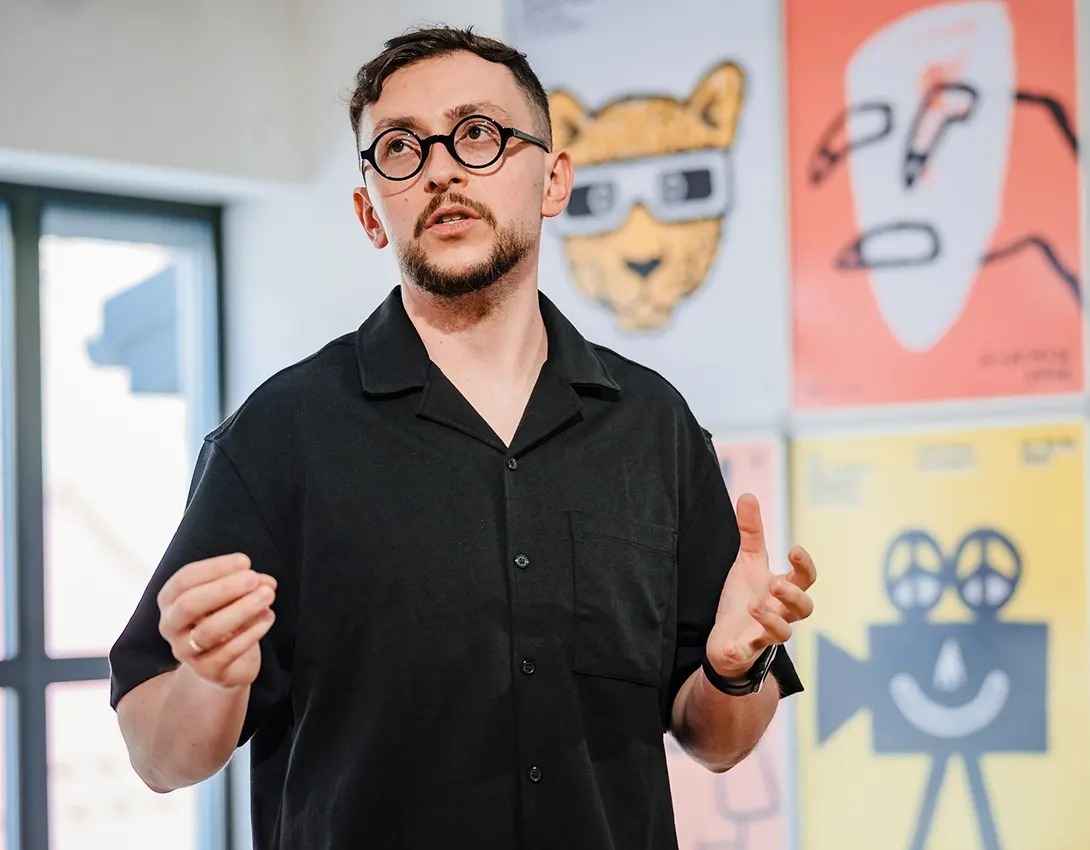
He went on to found Alive Poster Festival. In 2025, he curated outdoor exhibitions in the Polish city of Przemyśl, presenting posters by international artists on themes including the relationship between people and nature and the role of rivers in everyday life.
Works by this artist