Meet Tabby
Art and Design Rooted in Folklore and Folk Art

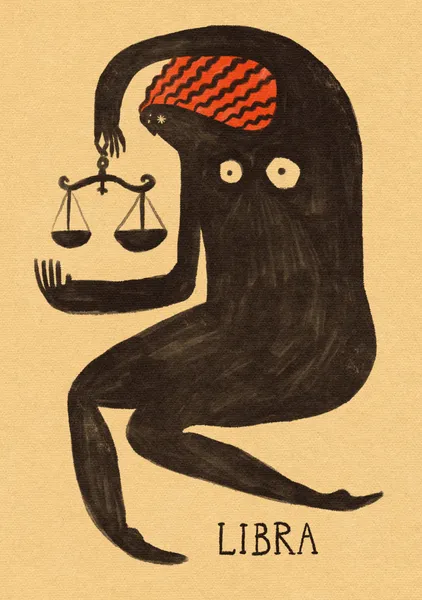
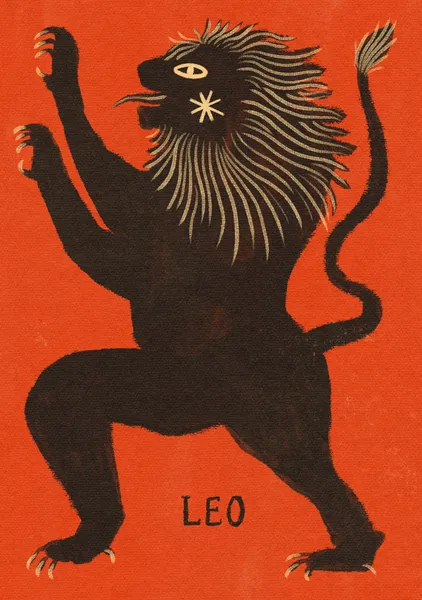
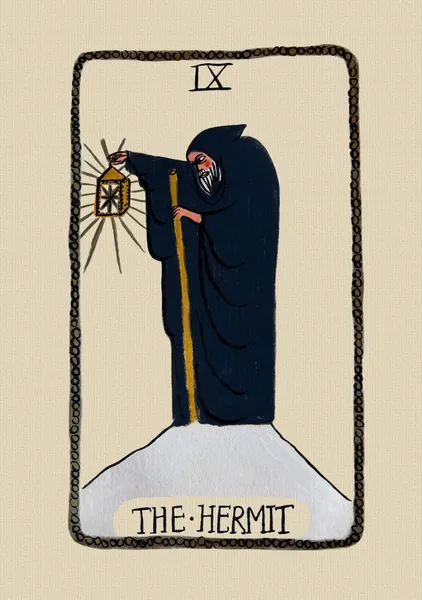
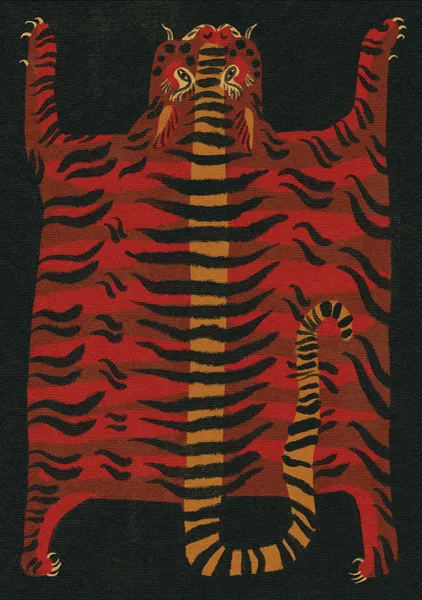
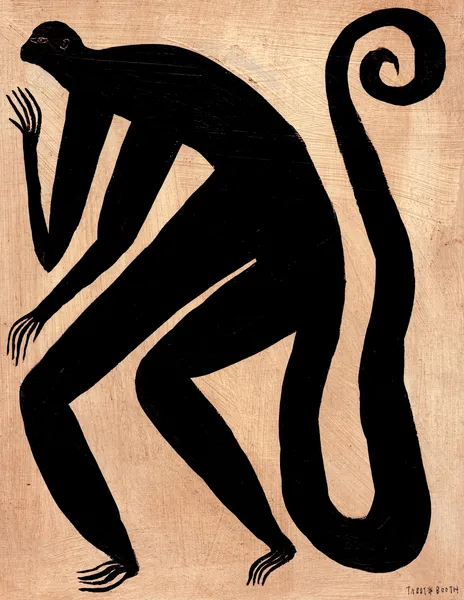
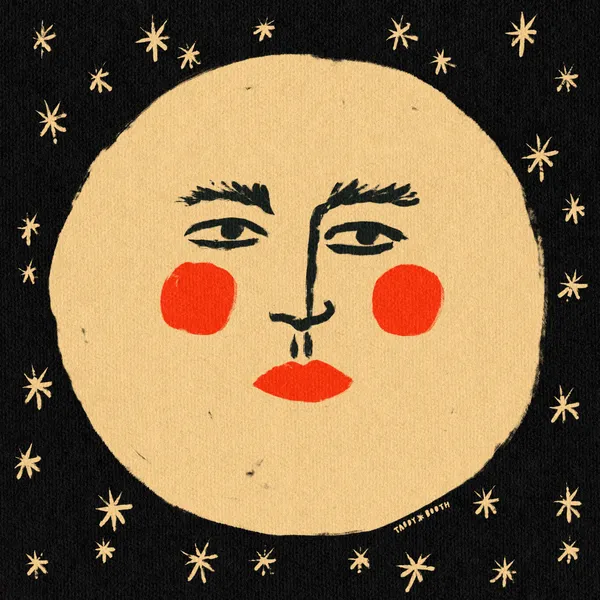
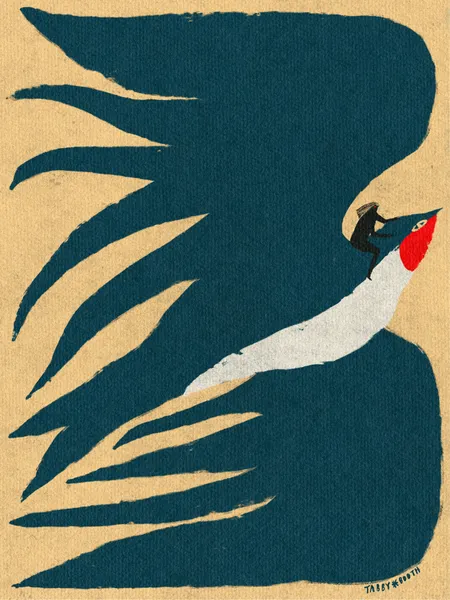
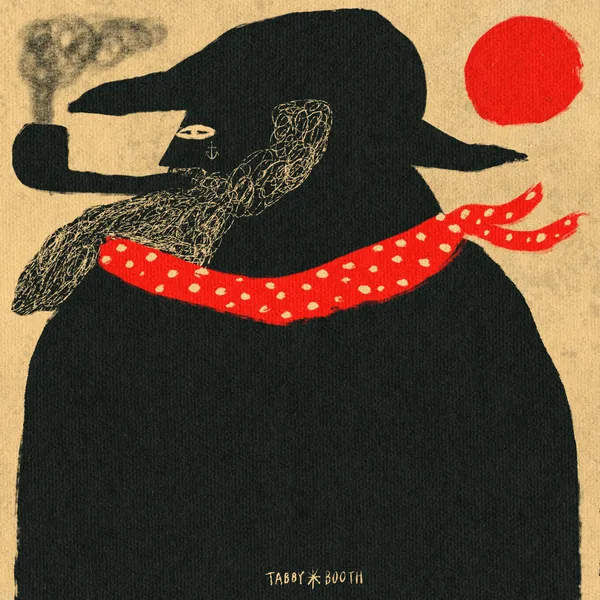
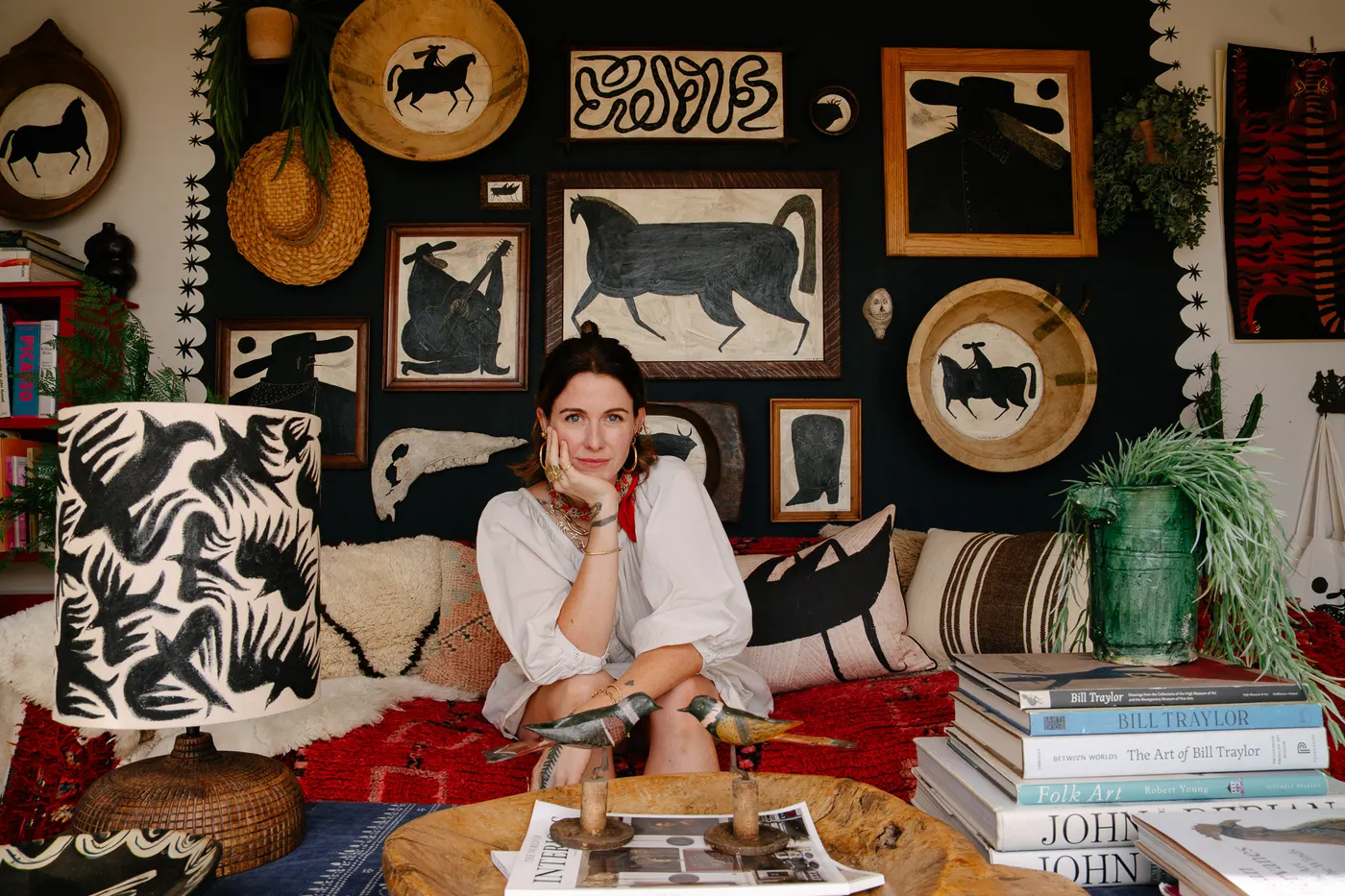
Tabby Booth is an artist, illustrator and curator based in Cornwall, England. Drawing on folk art and folklore, she depicts animals, figures and mythical creatures in bold silhouettes, picking out details with fine lines and dots. She also co-runs her gallery Sailors Jail, and collaborates with leading brands across fashion, design and interiors.
From teaching art to opening a gallery in Falmouth
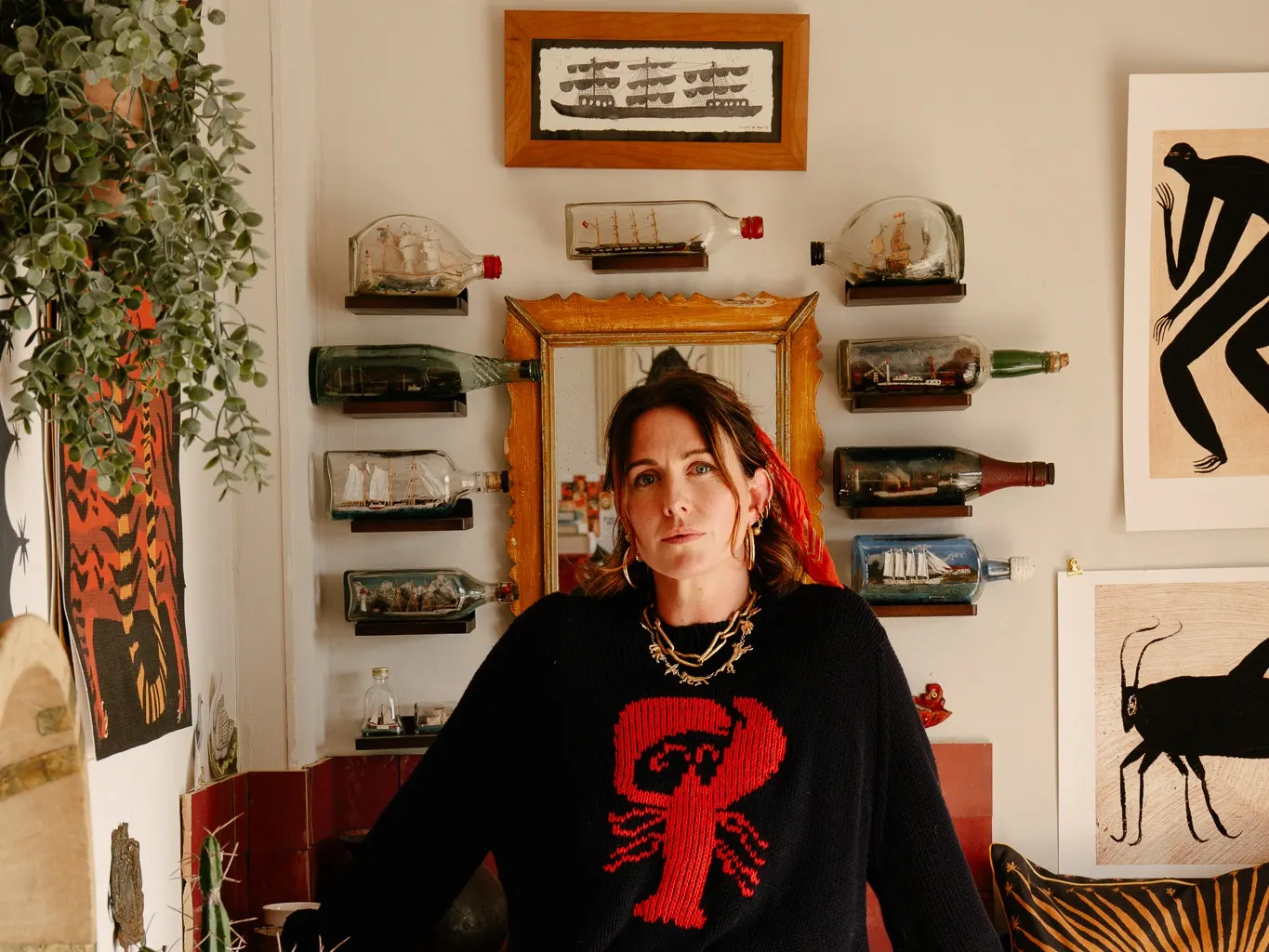
Tabby Booth grew up in Kent and studied illustration at St Martins art school in London. After graduating, she lived on a boat in Kingston with her husband, whom she had met when they were both students, and taught art to children. In 2015, the couple started classes of their own, teaching drawing, painting and sculpture step by step. What began with a few classes in Kingston grew into a network of art schools across the UK.
After the family moved to Cornwall, the search for a teaching space led them to a former jail in Falmouth, dating back to 1666. As soon as Tabby stepped inside, she saw the makings of a gallery. There were artists with ties to Cornwall whose work she admired but rarely got to see locally. In 2023, the couple opened the building as a place to show their work. After years devoted to the school and to raising a family, the gallery also gave Tabby a reason to start painting again.
Animals in silhouette
The first thing Tabby painted on her return was a mermaid. Of the many sea stories told in Cornwall, a particular favourite is the legend of the Mermaid of Zennor. A chair carved with the figure of a mermaid still stands in the village church.
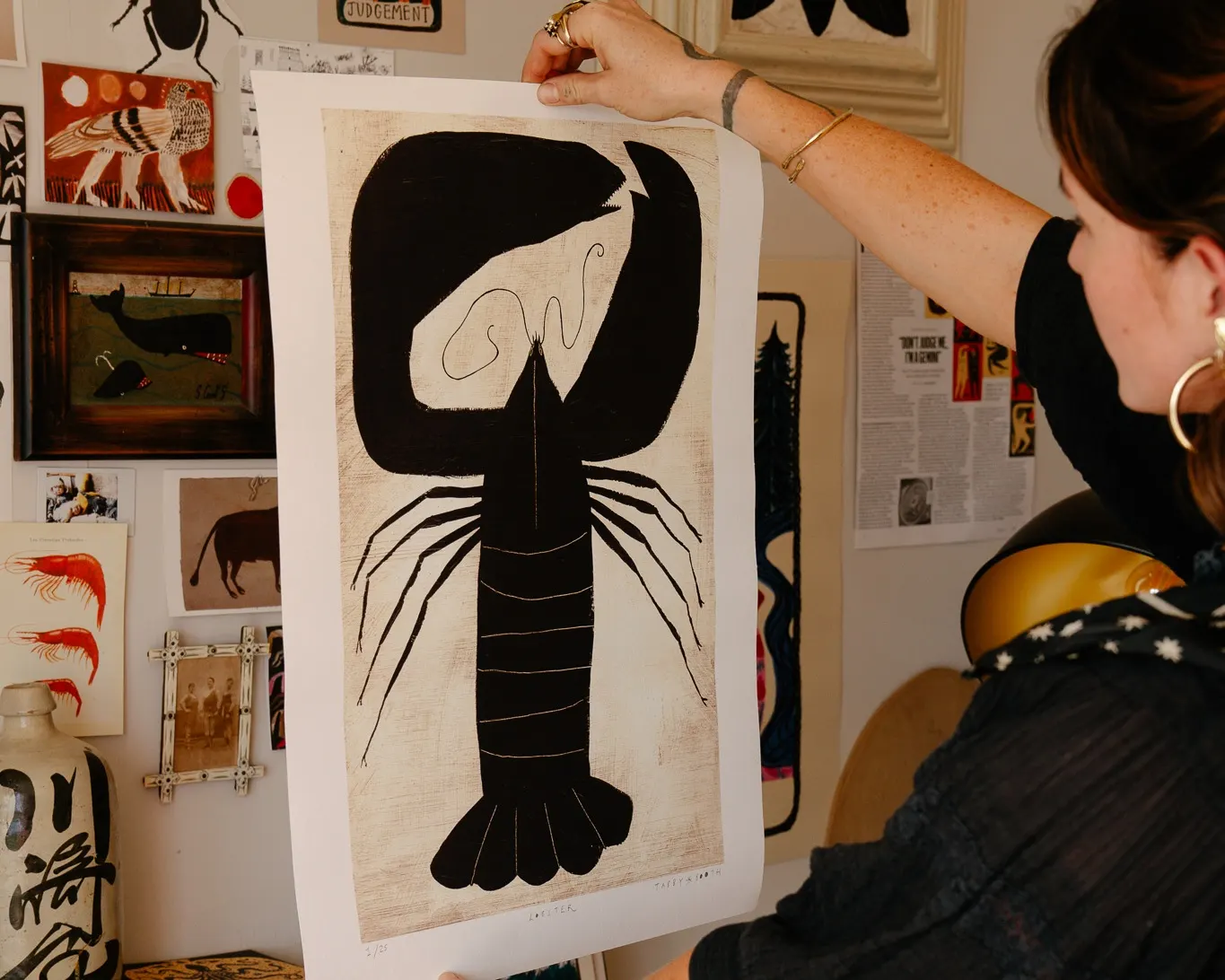
As a teenager, Tabby pored over Miroco Machiko’s compositions, fascinated by the way the animals filled every inch of the picture. In Bill Traylor’s work, it was the silhouettes that caught her eye. Years later, looking back through her own drawings, she recognised something she had been doing since childhood: drawing animals, often in black and white. She decided to make the black silhouette central to her paintings.
For Tabby, part of the pleasure of drawing animals is how many stories even a simple shape can suggest. The same creature might bring to mind a childhood tale for one person and a much-loved pet for another. She likes leaving room for both.
The frame comes first
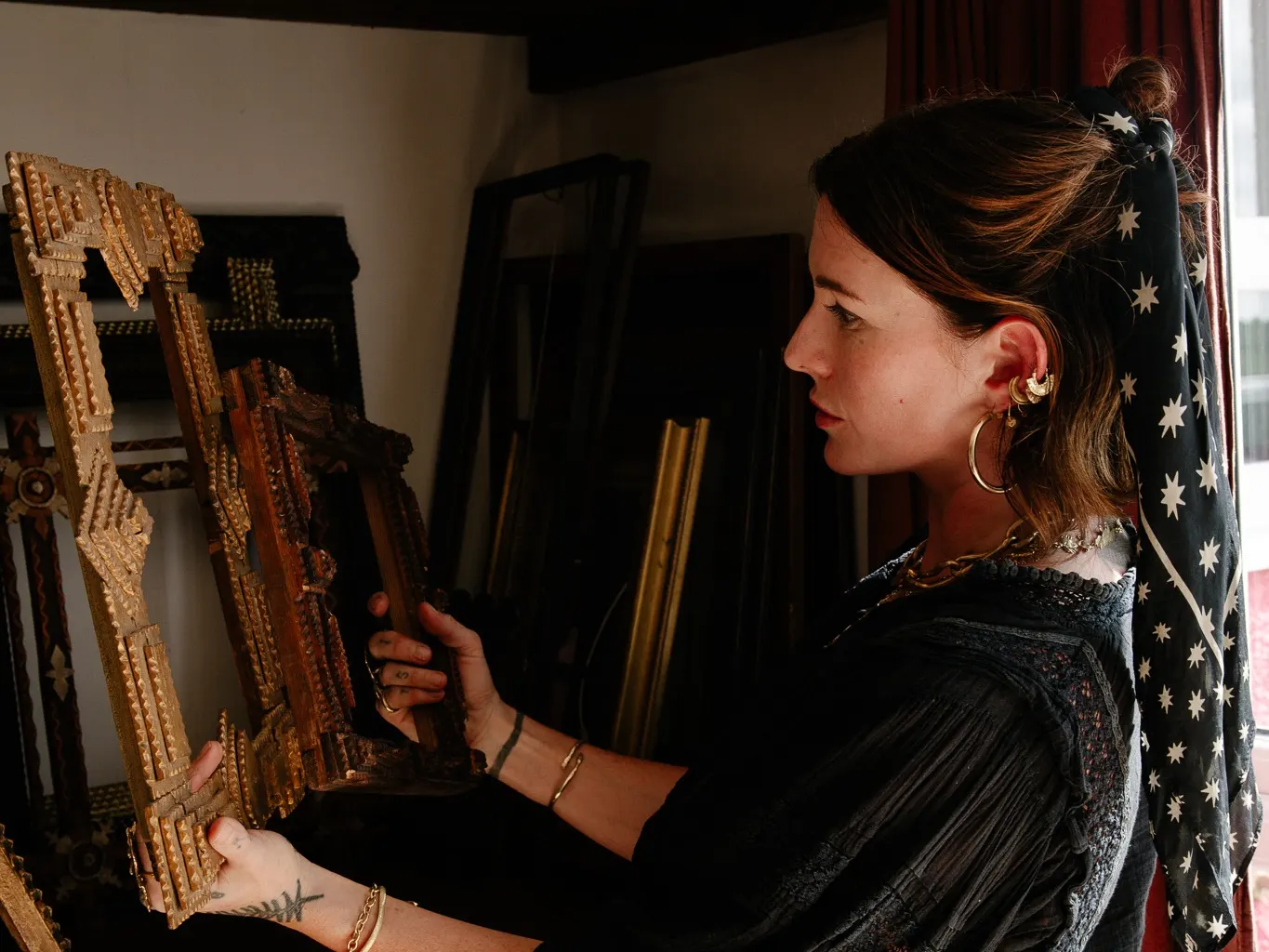
For her paintings on wood, Tabby starts by looking for old frames at flea markets and antiques fairs. It was her friend Steve Camps, a fellow artist in Cornwall, who taught her to paint to fit the frame and to finish a painting with wax.
At the beginning of a series, she lays frames of different shapes and sizes across the studio floor. On strips of masking tape, she writes down the subjects she has in mind, perhaps the names of animals, and sticks one to each frame. It gives her a way to see the paintings together before she has begun to paint. She usually works straight onto the wood without a preliminary drawing, building up layers of paint and then scratching through the surface to pick out details in the colour underneath. Wax is the final coat.
Finding her way into paint and digital drawing
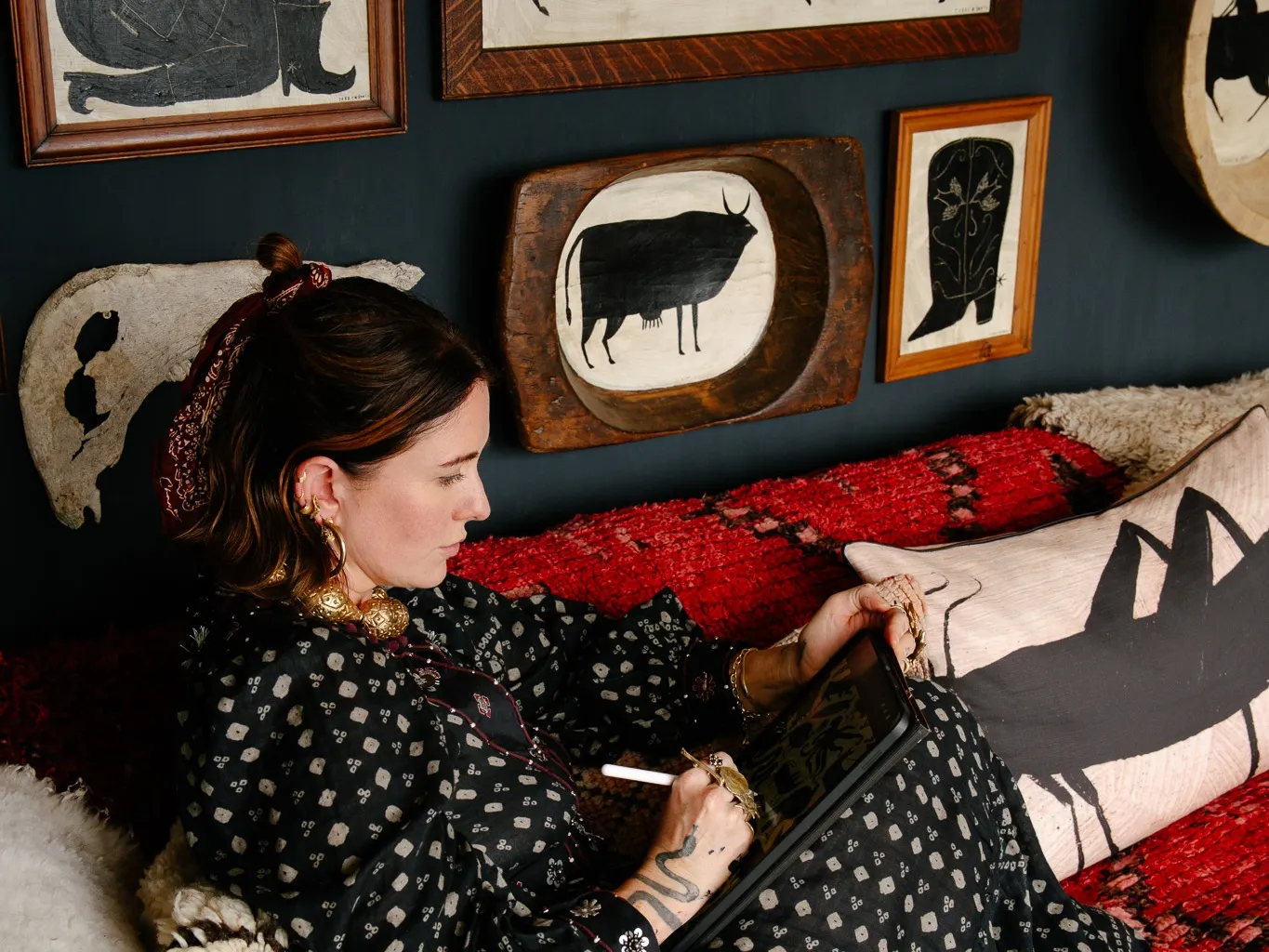
Sophie Wake’s work inspired Tabby to turn her illustrations into paintings. It was Enikő Katalin Eged’s art that first made her want to try drawing digitally. In the autumn of 2024, Tabby bought a tablet and joined a daily drawing challenge. Through it, she realised there was room in her practice for both painting on wood and drawing on a screen. Her paintings are monochrome; in her illustrations, she likes to introduce colour, especially a dash of red where it is least expected.
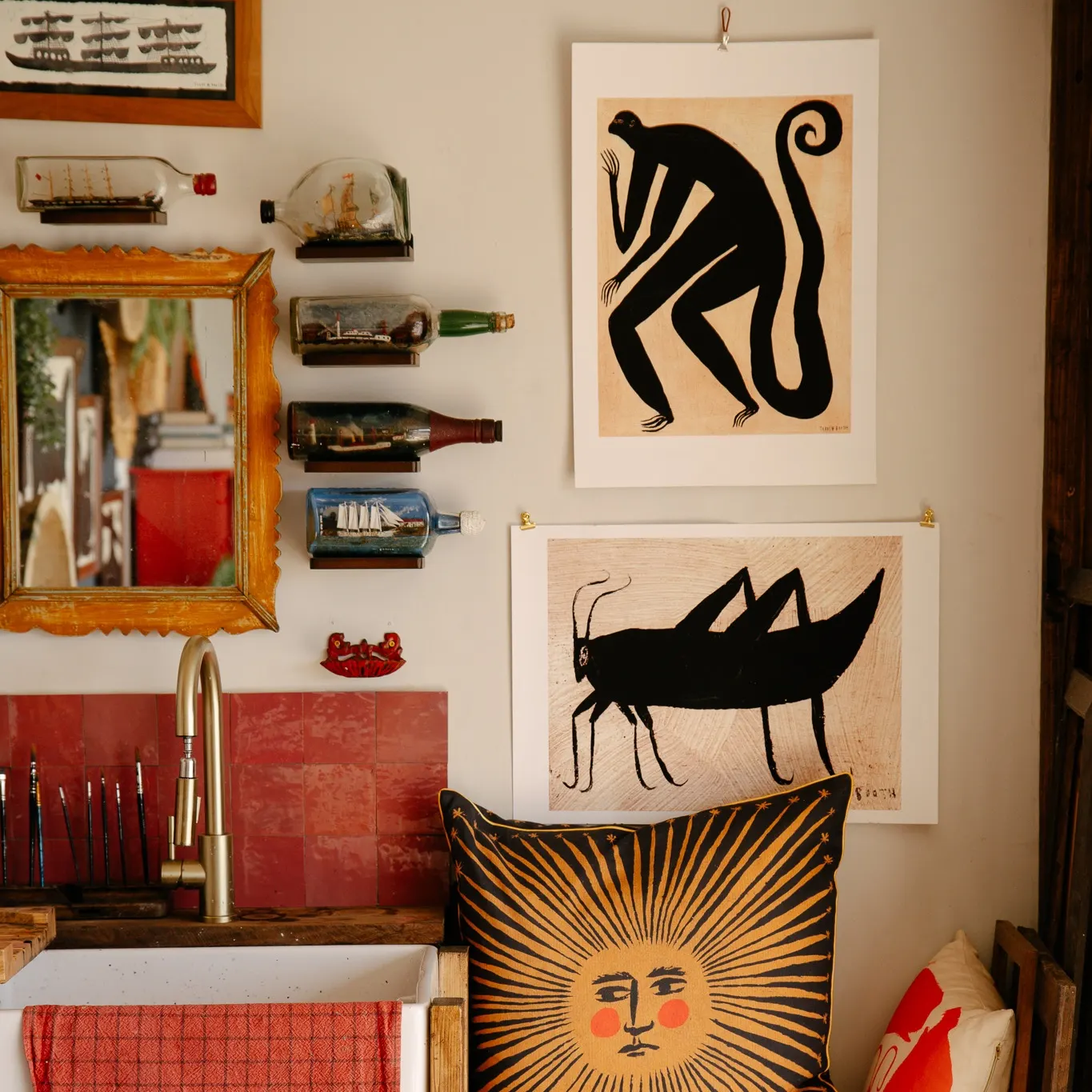
Whatever she is making, Tabby pictures it in a room. She likes pairing an old painting with a modern illustration and seeing how the same black-and-white picture looks against walls of different colours. When she had the chance to design a blanket, she imagined sharing a sitting room with an almost life-sized mermaid. The first subject she had painted on her return to art became the motif for a textile design.
Photos: Imogen Rosemary
Works by this artist